Newsroom
How to Use a Directional Coupler for Real-Time Base Station Signal Sampling
What is a Directional Coupler?
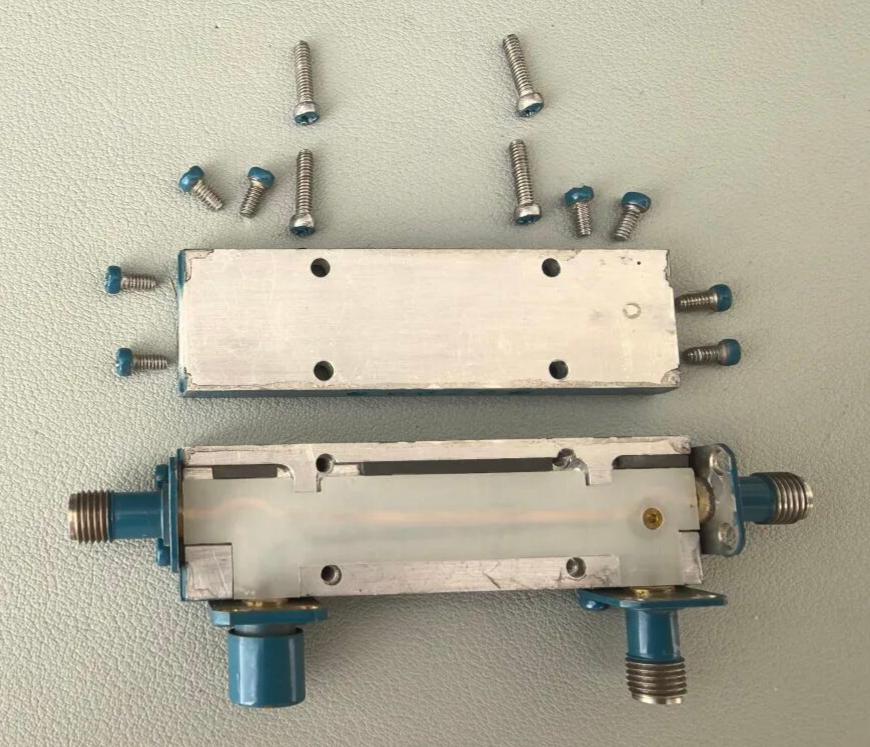
A directional coupler is a passive RF device used to sample a small portion of power from a transmission line while allowing most of the signal to continue with minimal loss. In typical RF systems, a coupler has four ports: input, output, coupled, and isolated. The main RF signal passes from the input to the output, while a controlled portion is sampled through the coupled port for monitoring, measurement, or testing. Unlike a power splitter, a directional coupler is designed to sample signals in just one direction, making them really useful in cellular infrastructure and RF diagnostic systems.
The Importance of Real-Time Signal Sampling at Base Stations
Today’s base stations are always online, handling massive amounts of voice, data, and IoT traffic. Any instability, impedance mismatch, or power anomaly can affect network performance. Real-time signal sampling allows engineers to:
- monitor transmitter output power
- assess signal quality without interrupting service
- check VSWR or reflection issues
- identify sources of interference and troubleshoot
- check antenna system performance
- safely connect monitoring equipment
- perform network remote diagnostics
Without the right sampling techniques, engineers might have to disconnect live RF lines for testing, which increases downtime and operational risk. Directional couplers enable non-intrusive RF signal monitoring.
How a Directional Coupler Samples Signals
Its working principle is simple but very effective. When RF power passes through the main transmission path, the directional coupler extracts a predetermined amount of signal, such as 3 dB, 6 dB, 10 dB, 20 dB, or 30 dB. For example, a 20 dB directional coupler only samples a very small portion of the transmitted power while leaving most of the power for the antenna system. This sampled signal can be connected to:
- a spectrum analyzer
- a signal monitoring unit
- an RF power meter
- a network analyzer
- base station monitoring tools
- or remote monitoring equipment
Since the coupling amount is fixed and known, engineers can accurately calculate the actual transmitted power.
Common Uses of Directional Couplers in Telecom Networks
In 5G Infrastructure
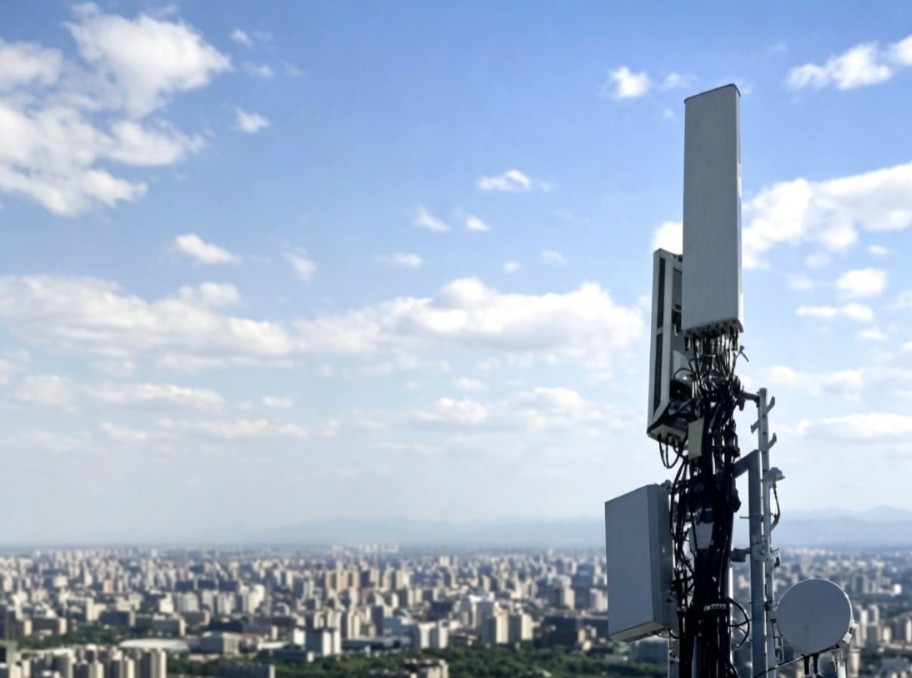
Couplers are usually placed between the radio unit and the antenna system at 5G base stations. Operators can continuously monitor: forward power, reflected power, signal integrity, and antenna performance. This is especially important in large-scale MIMO and multi-band antenna deployments, since network stability directly affects user experience.
Indoor DAS Systems Deployed
Airports shopping malls, stadiums, hospitals, and office buildings, precise RF balancing is critical. Engineers use couplers to: sample signals at different branch points, check power distribution, identify signal loss points, and maintain consistent indoor coverage. In large DAS projects, real-time RF monitoring can significantly cut the time needed for troubleshooting.
RF Testing and Maintenance
Sometimes, technicians need to test online RF systems without shutting them down during network maintenance. Couplers provide a safe access point for measurement devices, minimizing the risk of signal interruption or equipment damage. This is widely used in: telecom operator networks, public safety radio systems, railway communication infrastructure, military communication systems, and broadcast transmission systems.
Important Parameters to Keep in Mind When Choosing a Directional Coupler
Not all couplers are suitable for telecom base station applications. Engineers need to review several key specs before deployment.
Operating frequency range: The coupler should support the network’s frequency bands, such as 698-960 MHz, 1710–2700 MHz, 3300–3800 MHz, as well as multi-band 5G frequencies. In modern multi-operator networks, wideband directional couplers are becoming increasingly popular.
Coupling level: The coupling level determines how much of the signal is sampled. Standard options include: 6 dB (for heavier sampling), 10 dB (for balanced monitoring), 20 dB or 30 dB (minimal impact on the main signal). The right value depends on monitoring needs and system design.
Insertion loss: Low insertion loss is also crucial, as excessive loss can affect overall RF efficiency. High-quality directional couplers aim to maintain accurate sampling performance while minimizing signal attenuation.
Power handling: Base station systems typically have high RF power levels. The coupler must have sufficient power handling capability to ensure long-term reliability and thermal stability.
Connector type: Common connector options include N-type, 4.3-10, DIN, SMA, etc. The choice of connector should be compatible with the existing RF infrastructure.
Challenges Engineers Often Face
In practice, engineers often run into problems caused by couplers that are of poor quality or the wrong specs. Common issues include
- high insertion loss
- poor isolation
- incorrect coupling values
- poor PIM performance
- frequency mismatches
- inconsistent connections
These problems can directly affect network quality and make troubleshooting more complicated. That’s why many telecom integrators prefer industrial-grade directional couplers that offer stable RF performance and strict manufacturing consistency.
Why are Directional Couplers Still Important in 5G Networks
Wireless systems are getting more and more complex, making real-time monitoring more important than ever. Even with advanced software-based network management, physically sampling RF signals is still essential in many ways:
- hardware verification
- troubleshooting
- preventive maintenance
- antenna tuning
- performance benchmarking
Directional couplers offer a simple, reliable, and low-cost way to capture real-time RF data without disrupting communication services. In today’s 5G and DAS deployments, they remain one of the most practical passive components in the RF chain.
The Role of Directional Couplers in Modern RF Networks
Although directional couplers seem like simple passive devices, they play a really important role in real-time base station signal sampling. These components are used to monitor transmitter power, assist with network optimization, fault diagnosis, and more, helping engineers maintain a stable and efficient RF system without affecting real-time traffic. With the growth of 5G infrastructure and higher demands for indoor coverage, the need for reliable RF monitoring solutions will continue to increase. Choosing directional couplers with the right frequency range, low insertion loss, stable coupling performance, and strong reliability can greatly improve long-term network performance and maintenance efficiency.