Newsroom
A Comprehensive Guide to Electronic Components
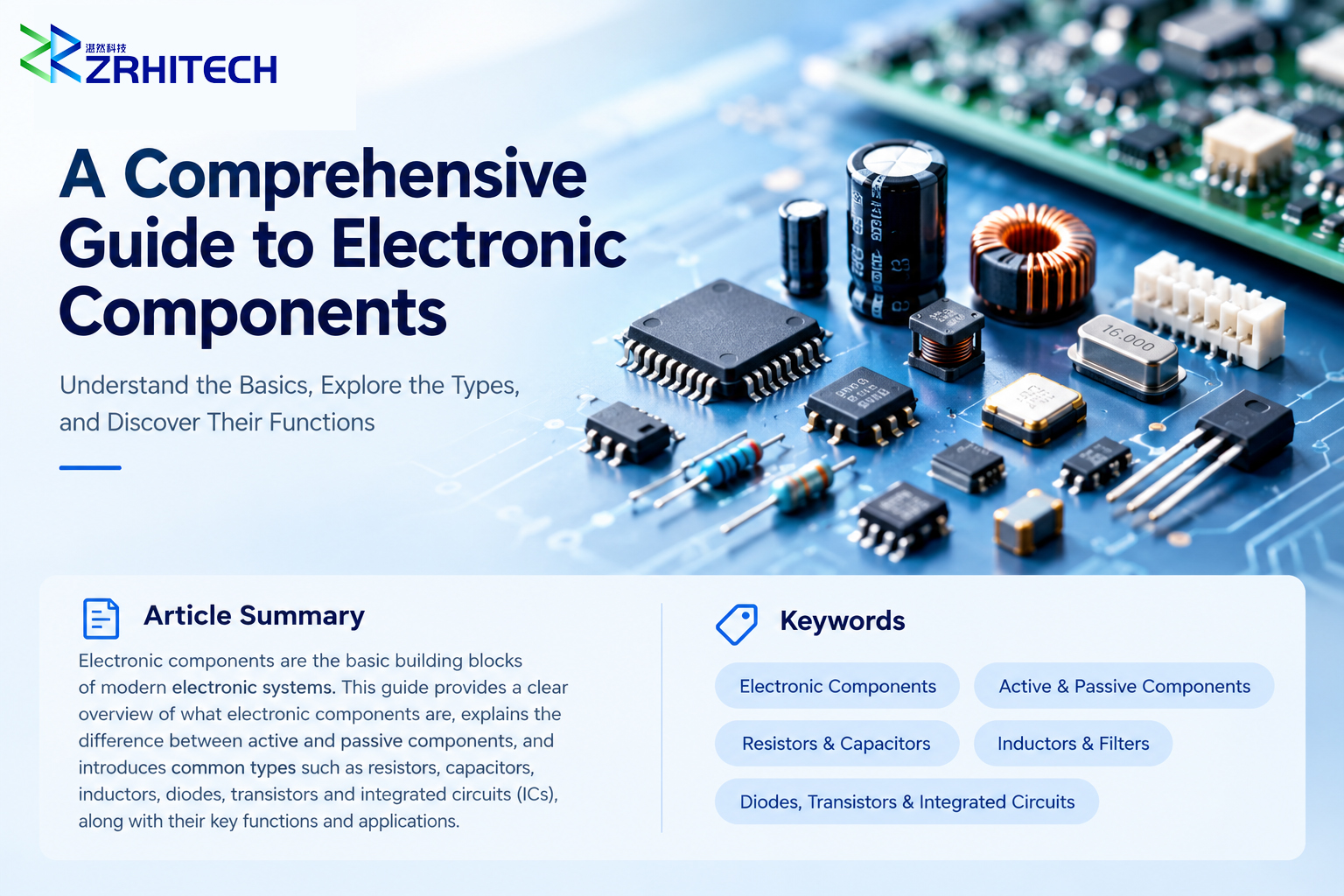
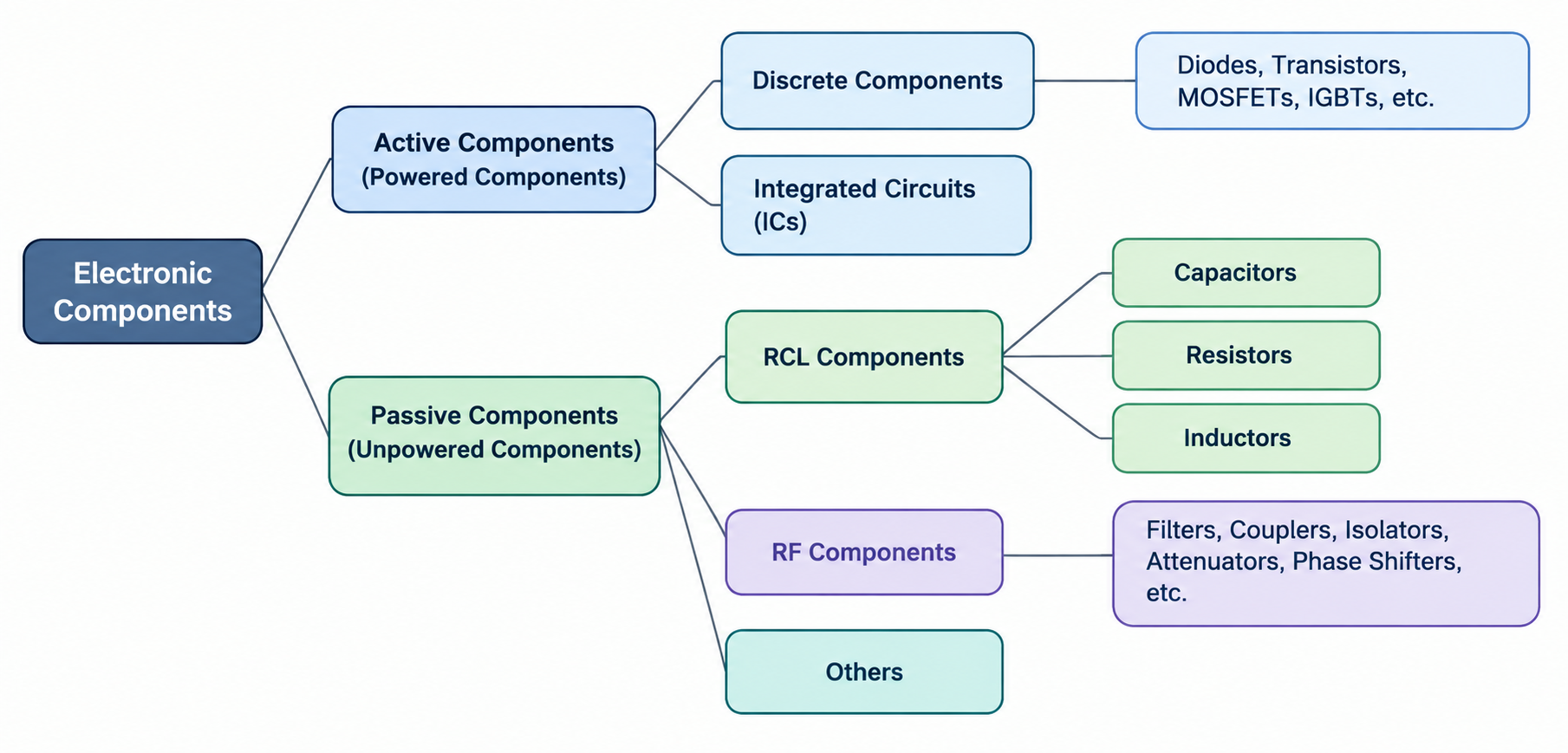
Electronic components are the basic building blocks of electronic equipment and instruments. They may consist of multiple parts and are often standardized for use across similar products. The term covers a broad range of parts used in electrical equipment, radio systems, and instrumentation, including capacitors, transistors, and other components.
In simple terms, electronic components are the fundamental parts used to manufacture or assemble complete electronic products. Each component serves as an individual element within an electronic circuit.
With the development of the electronics industry and the introduction of semiconductor integrated circuits, electronic circuits are generally divided into two categories: integrated circuits and discrete-component circuits.
An integrated circuit (IC) combines the transistors, resistive, capacitive, and inductive elements, and interconnections required for a particular circuit onto one or more small semiconductor dies or insulating substrates. The assembly is packaged as a single component that performs a specific circuit function.
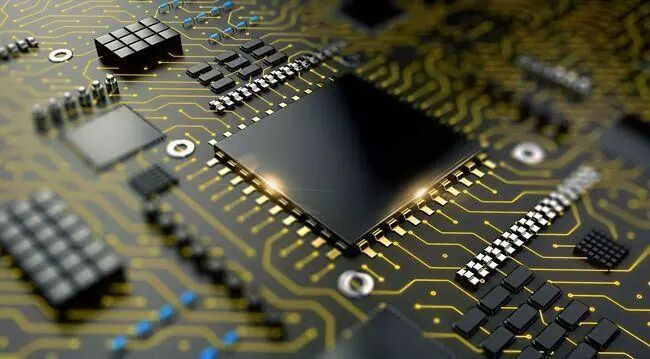
Discrete components are individual electronic parts, such as resistors, capacitors, and transistors. Each discrete component performs a specific function and does not contain other functional component units within it.
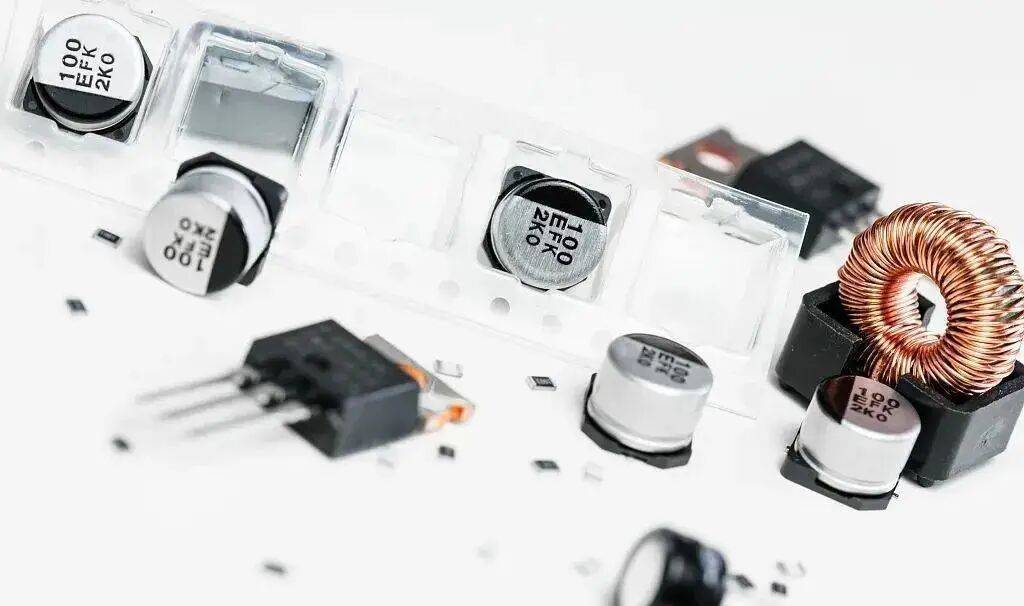
Active vs. Passive Electronic Components
Active components are devices that, when supplied with energy, can actively amplify or generate signals, control current or energy distribution, or perform data processing. Examples include various types of transistors and integrated circuits (ICs), as well as certain electronic display and imaging devices.
Passive components, by contrast, do not actively amplify signals or generate oscillations. They respond to electrical signals according to their inherent characteristics. Common examples include resistors, capacitors, and inductors.
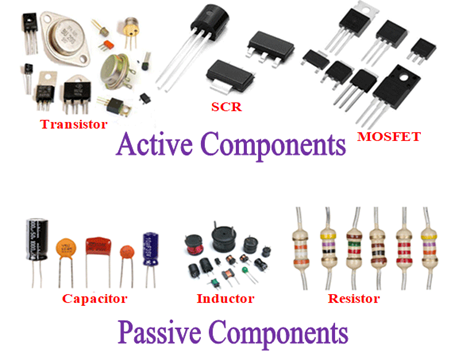
Active Components
Components such as transistors, thyristors, and integrated circuits generally require a power supply in addition to an input signal to operate, so they are classified as active devices. They consume electrical power during operation, and high-power active devices often require dedicated heat dissipation.
Passive Components
Resistors, capacitors, and inductors can perform their intended functions when signals pass through them without requiring a separate excitation power supply. They are therefore classified as passive devices. They typically consume little power or convert electrical energy into other forms of energy.
Circuit Components and Interconnection Components
In electronic systems, passive components can be grouped according to their roles in a circuit: circuit components and interconnection components.
Circuit Components
Resistor
Capacitor
Inductor
Transformer
Relay
Push Button
Buzzer / Speaker
Switch
Interconnection Components
Connector
Socket
Connecting Cable
Printed Circuit Board (PCB)
Functions of Common Electronic Components
Resistors
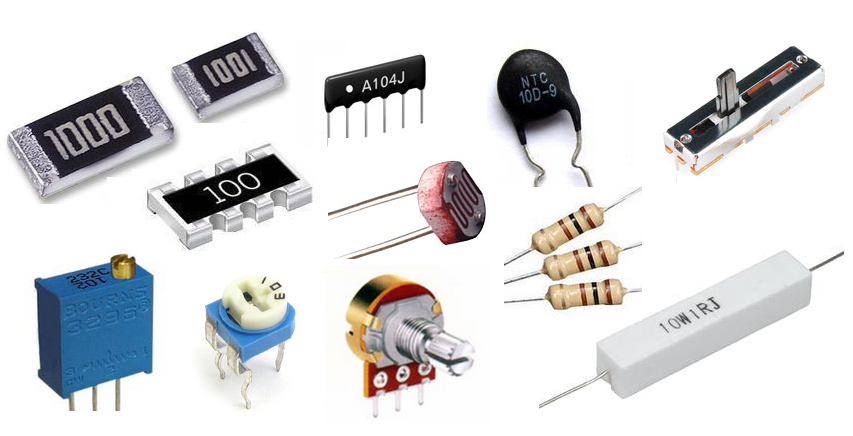
Resistors can be classified as fixed or variable, depending on whether their resistance value can be adjusted. Based on mounting method, they are commonly divided into through-hole and surface-mount resistors. According to construction and material, types include carbon-composition, wire-wound, film, and sensitive resistors.
Inductors
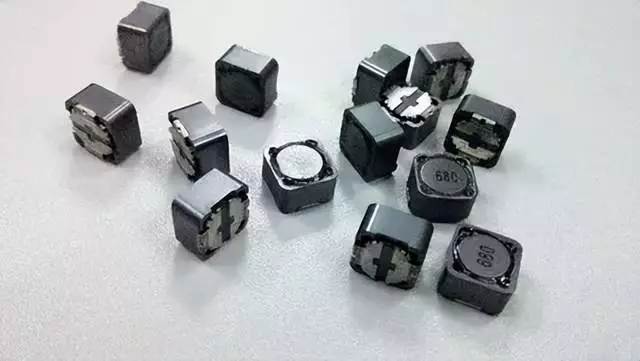
An inductor stores energy in a magnetic field. When current begins to flow, an inductor opposes the change in current; when the circuit is interrupted, it tends to maintain current flow. Its key characteristics include passing DC while impeding AC, and offering lower impedance at lower frequencies and higher impedance at higher frequencies. Inductors are widely used for filtering, oscillation, and magnetic energy storage. Common types include air-core and magnetic-core inductors.
Capacitors
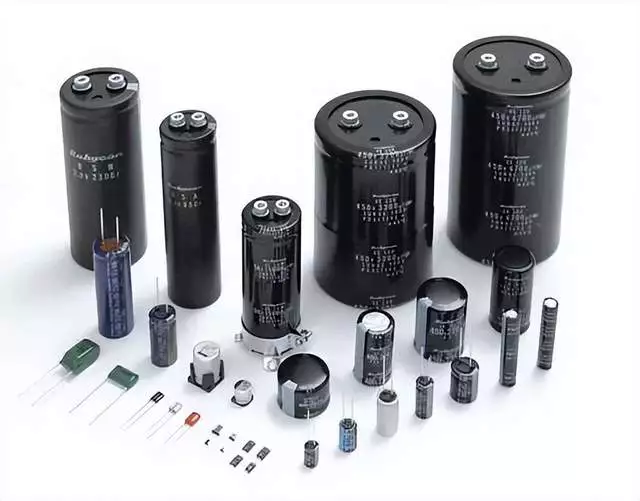
A capacitor is an electronic component that stores electric charge and is represented by the symbol C. It typically consists of two conductive electrodes separated by an insulating dielectric. When a voltage is applied across the electrodes, electric charge accumulates, allowing the capacitor to store electrical energy.
Diodes
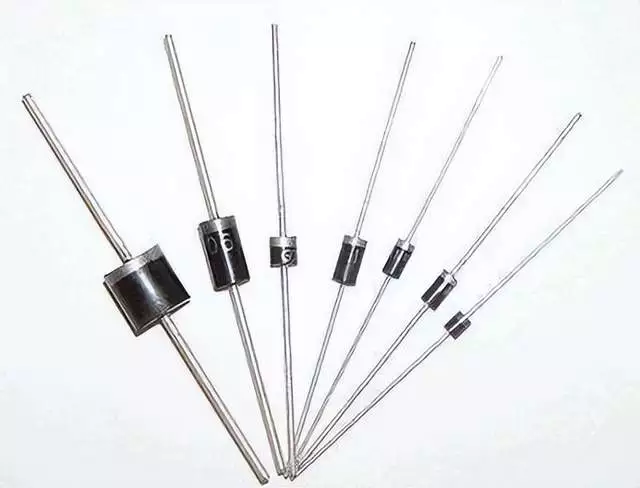
A diode is a two-terminal electronic component that primarily allows current to flow in one direction while blocking it in the reverse direction. Diodes can be classified by material, such as silicon and germanium, or by application, including rectifier, Zener, detector, light-emitting (LED), and photodiodes. They are widely used in electronic circuits.
Transistors
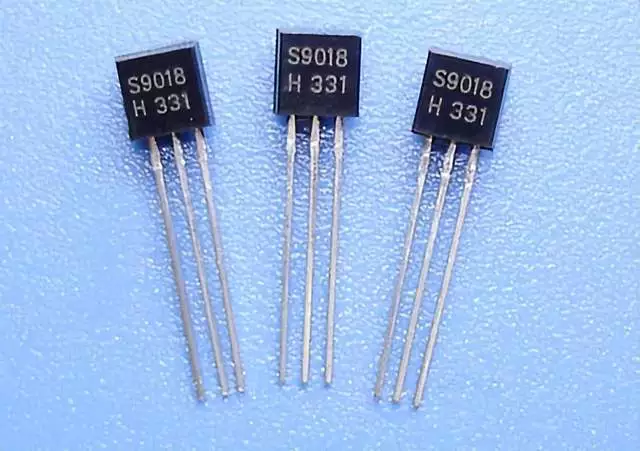
Transistors are among the most widely used components in electronic circuits. Their applications can be broadly divided into linear and nonlinear operation. Linear applications include amplifiers and linear voltage regulators, while nonlinear applications commonly use transistors as electronic switches to control whether a load is on or off.
Integrated Circuits (ICs)
Integrated circuits make it possible to implement complex functions with relatively few external components, such as resistors and capacitors. They are commonly categorized as linear ICs, digital ICs, and mixed-signal ICs. Linear ICs include preamplifiers, power amplifiers, and operational amplifiers. Digital ICs include logic gates, flip-flops, latches, and counters.
ZRHITECH is a manufacturer of various crystal oscillators, saw filters, resonators. The factory covers 12,000㎡ and is ISO certified. The products can directly replace expensive brands such as EPSON, NDK, TXC, KYOCERA, KDS, SIWARD, Microchip…
If you need any urgent electronic components, please feel free to contact info@zrhitech.com.